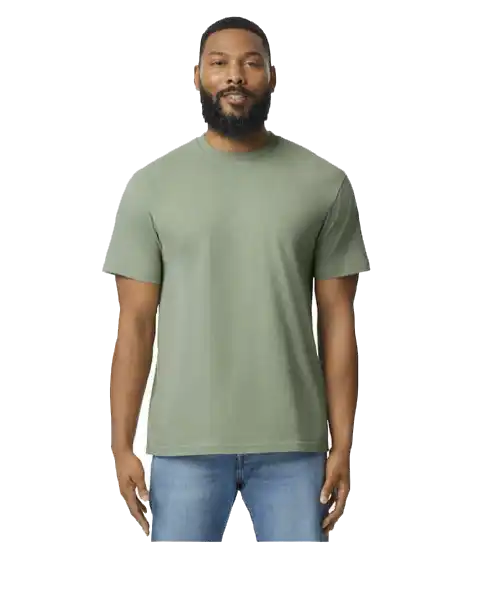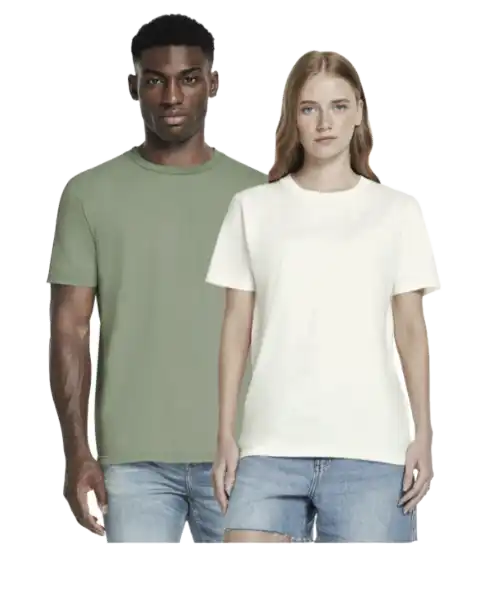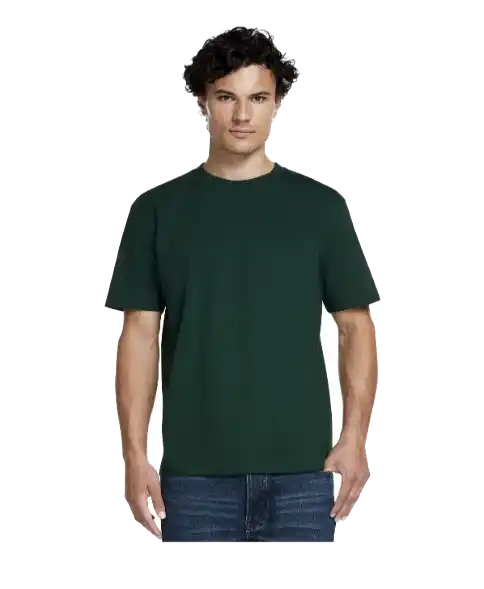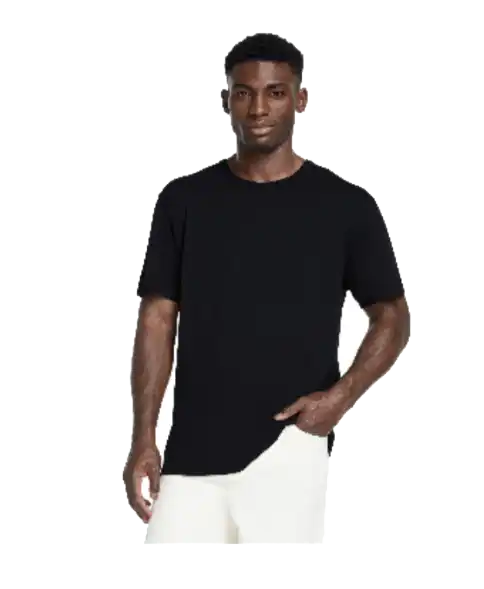

T-Shirt Printing Is Our Passion
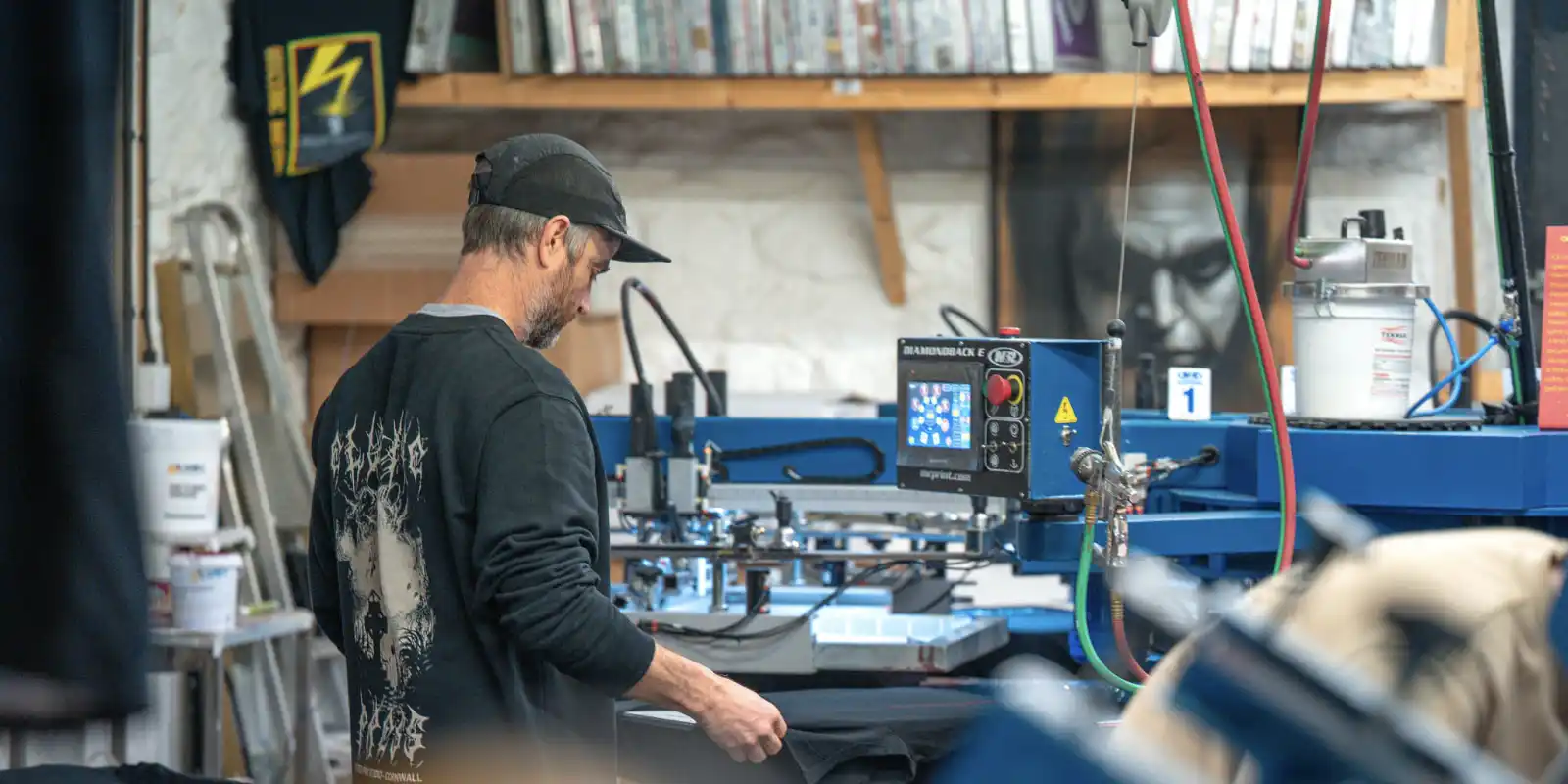
With over 20 years of experience, screen printing isn’t just what we do — it’s our speciality. We create retail-quality, eco-conscious T-shirts that look great, feel soft, and are built to last.
Our focus is simple: vibrant, breathable prints that don’t feel heavy on the fabric. Using premium water-based, discharge, and phthalate-free plastisol inks, we achieve rich colour with a soft-touch finish.
By combining advanced techniques with high mesh screens, we apply less ink for a lighter, smoother print.
The result? Professional, retail-ready T-shirts that look better, feel better, and last wash after wash
What Affects Screen Printing Prices?
Several factors influence the final cost of your custom T-shirt printing order, including:
- Order Quantity – Larger orders reduce the price per item
- Garment Type – Different brands and styles vary in price
- Number of Print Colours – Each colour requires its own screen
- Base Coat Requirements – Needed when printing on darker garments
- Print Size & Placement – Larger prints or multiple print areas can affect cost
Choosing the Right Garment
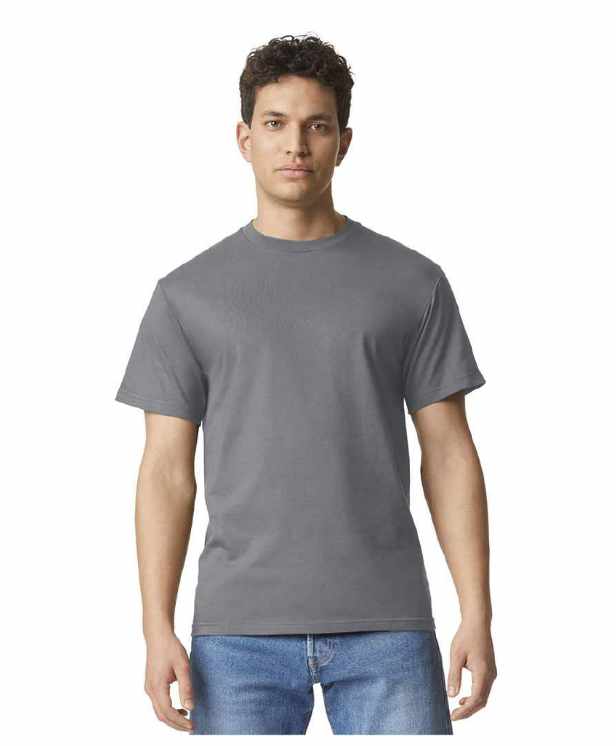
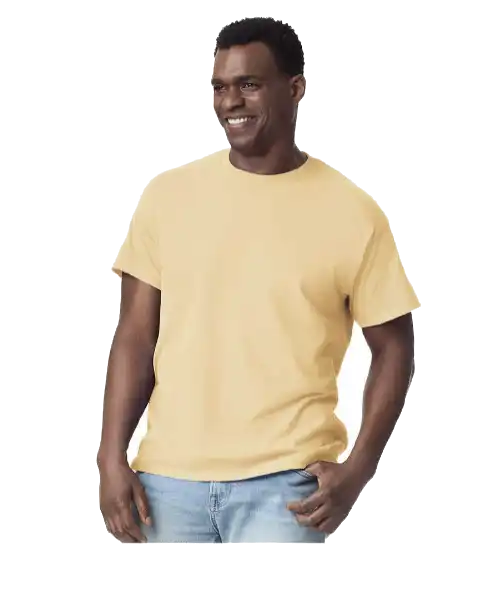
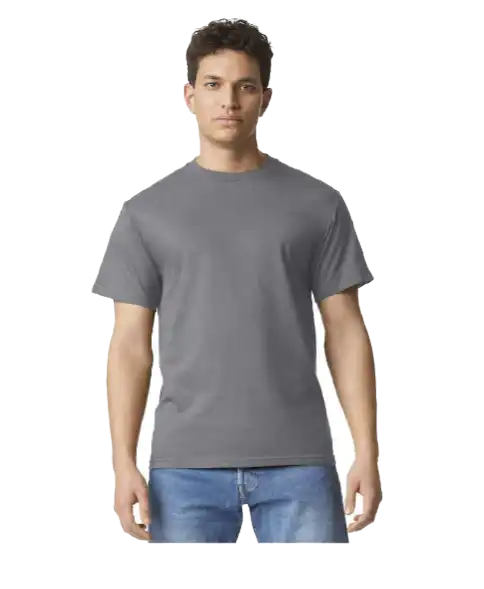
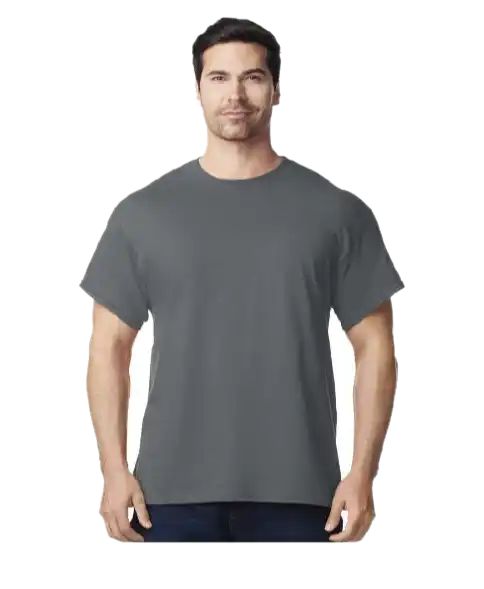
With so many T-shirt brands and styles available, choosing the right garment can sometimes feel overwhelming. Don’t worry — we’re here to help.
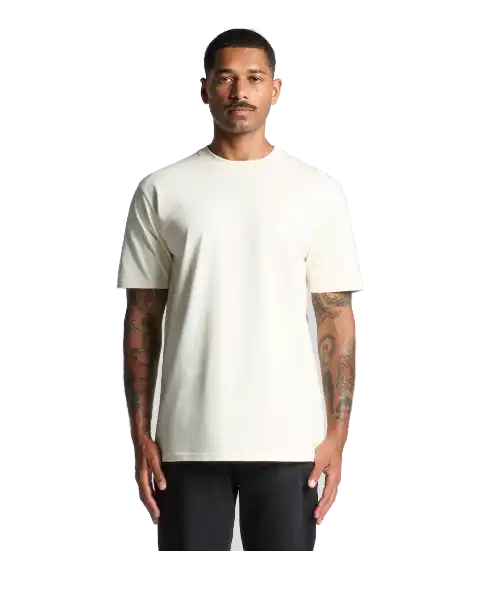
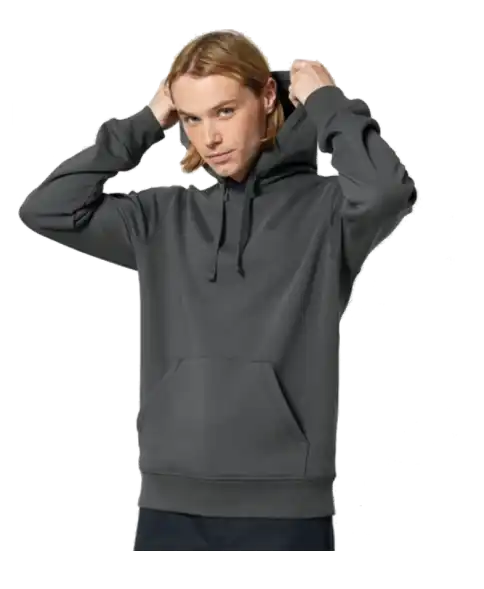
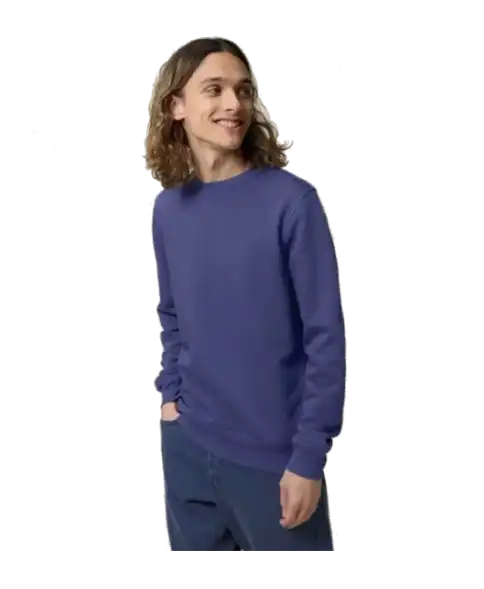
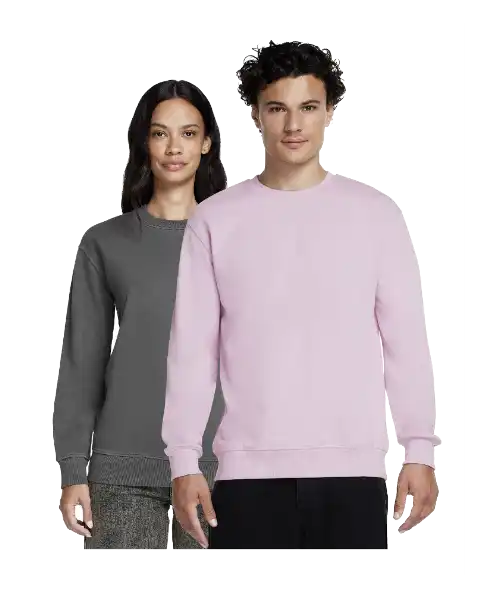
Head over to our Garment Selection page where you’ll find a curated list of our favourite T-shirts and apparel from trusted brands we regularly print on.
Popular Print Templates
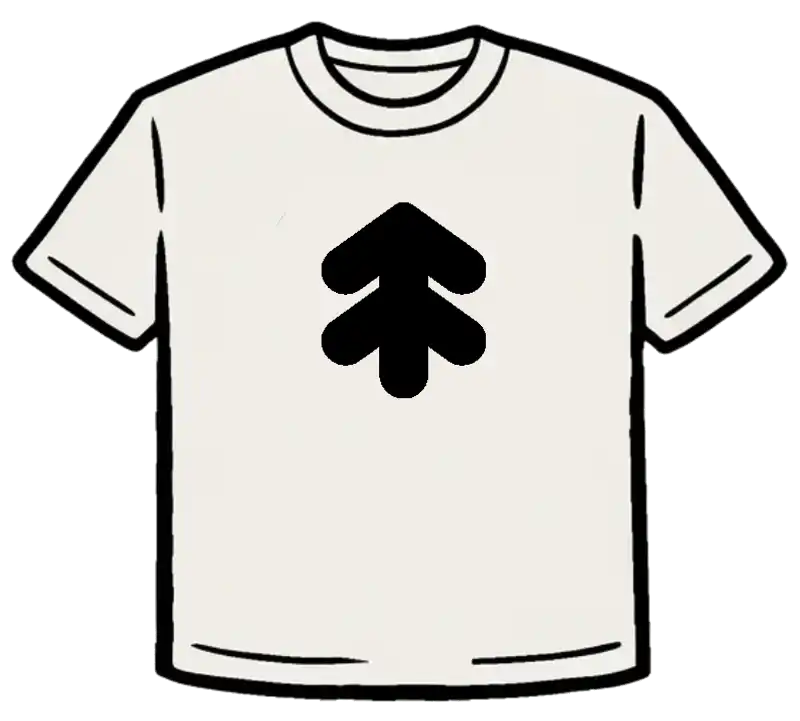
Chest print 250mm wide
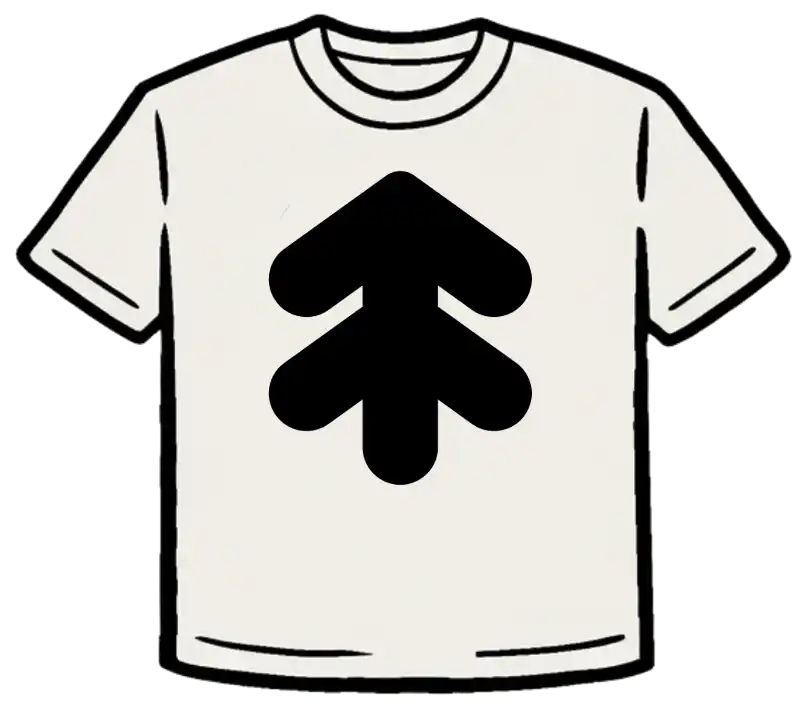
Oversized chest print. Max 480mm high
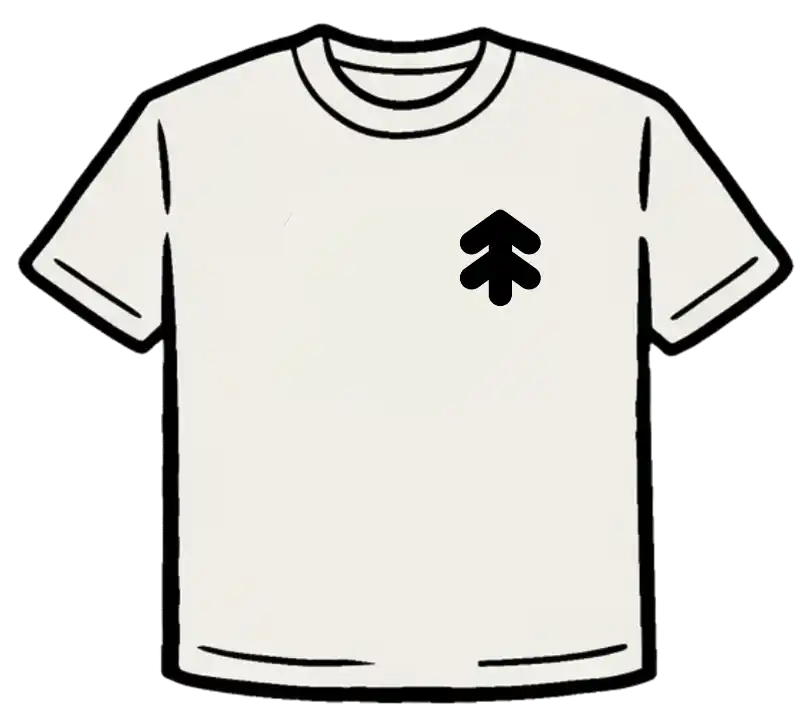
Left breast print 60-100mm high
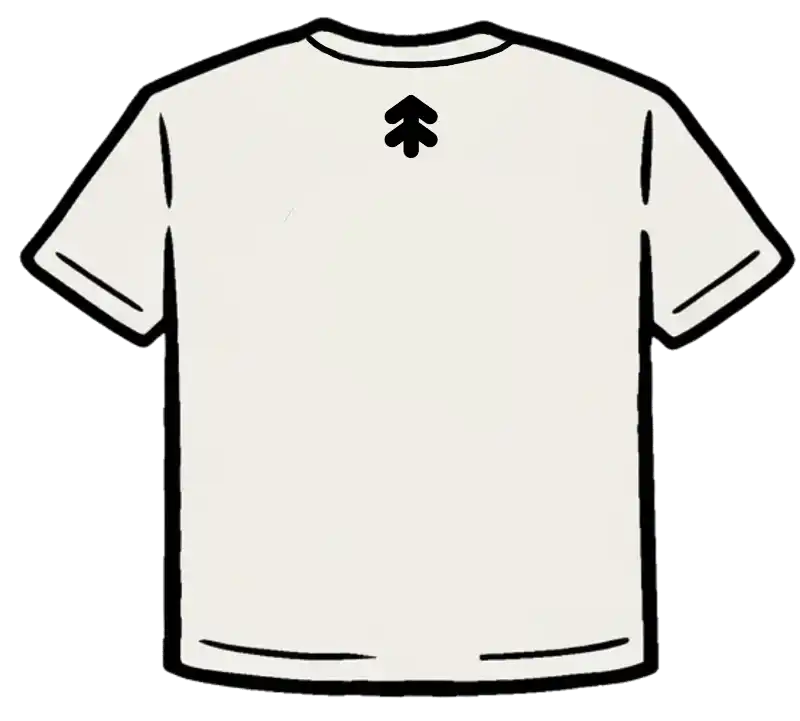
Outside nape print 40-80mm high
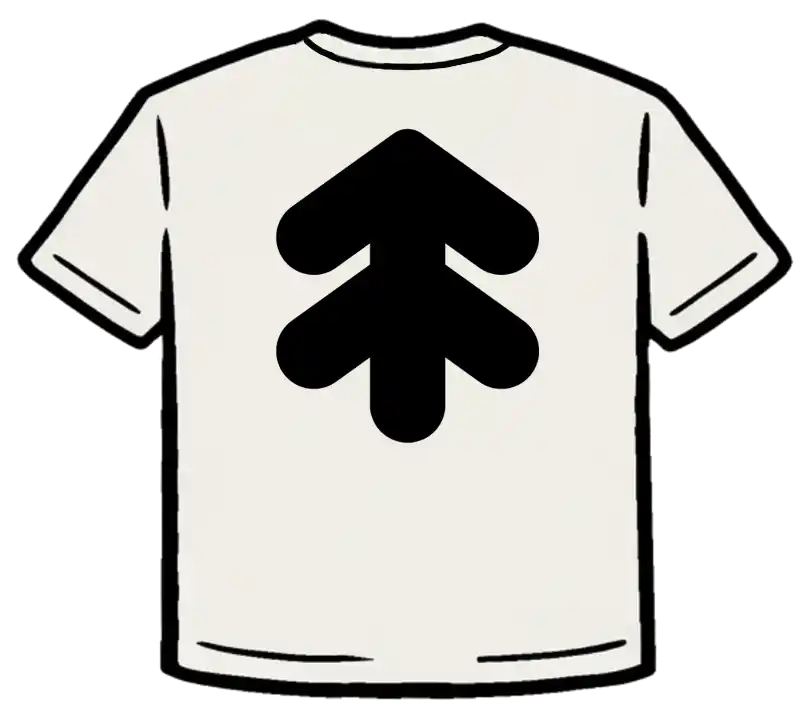
Back print Max 480mm high
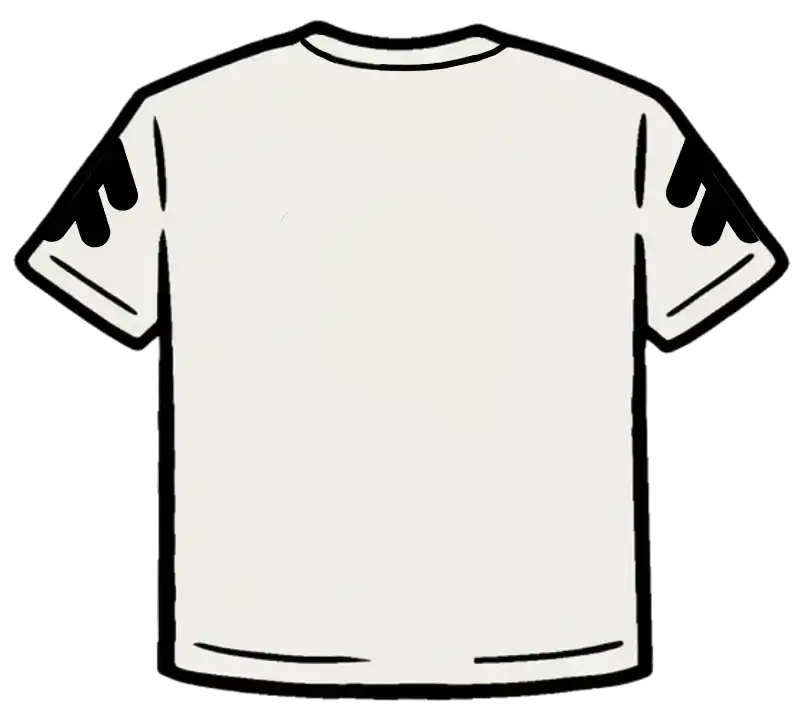
Sleeve prints. Max 90mm wide. (Max 440mm longsleeves)
Do you need a white underbase?
A simple rule of thumb is: if your print colour is lighter than the T-shirt colour, a white underbase is usually required.
A white underbase is a layer of white ink printed first, allowing lighter colours to appear bright and vibrant on darker garments.
However, it’s not always necessary. Several factors can influence whether an underbase is needed, including:
- The number of colours in the design
- The type of ink being used
- The garment colour and fabric
- The desired print effect
If a white underbase is required, it is treated as an additional print colour, which means it will require its own screen during the screen printing process.
If you’re unsure whether your design needs an underbase, feel free to get in touch and we’ll happily advise you.
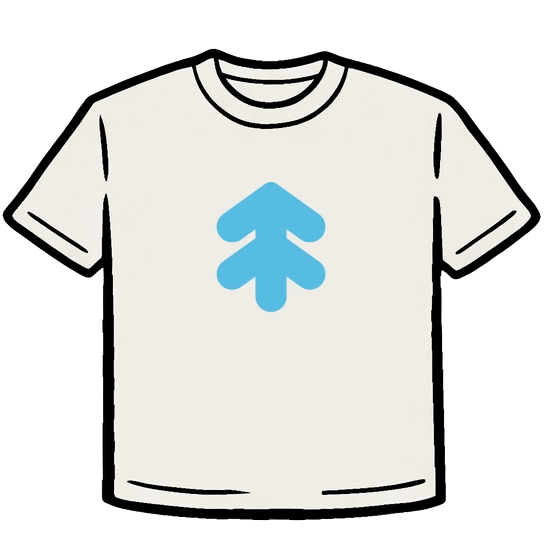
Under base not required
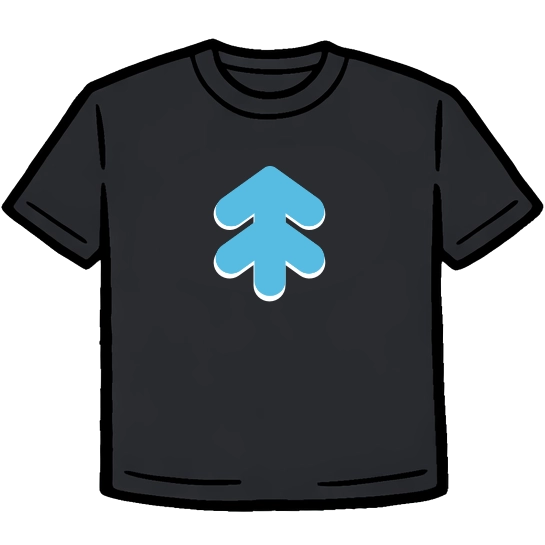
Under base required
Ink Types
We take our environmental impact seriously, but performance always comes first. That’s why we carefully select the right ink for each job—balancing sustainability with vibrant colour, durability, and a soft, breathable finish.
We work with a range of premium inks, including water-based, high solid water-based, discharge, and phthalate-free plastisol inks.
Water-Based & High Solid Water-Based Inks
- The most eco-friendly option, requiring no harsh chemicals for cleanup
- Produce an ultra-soft, breathable print with a matte finish
- Best suited to light garments, but modern high solid formulas now achieve strong, vibrant results on darker fabrics
Phthalate-Free Plastisol Inks
- Environmentally compliant, using non-toxic plasticisers
- Highly versatile—ideal for cotton, polyester, and blended fabrics
- Delivers consistent, vibrant colours, especially on dark garments
- Leaves a soft, smooth layer of ink sitting on the fabric surface
Discharge Inks
Discharge printing works differently by removing the garment’s dye and replacing it with pigment.
- Creates an incredibly soft, breathable print that becomes almost unnoticeable after washing
- Best results on high-quality, 100% cotton garments
- Works particularly well on darker colours like black and navy
Choosing the right ink ensures your prints not only look great but feel great and last longer too.
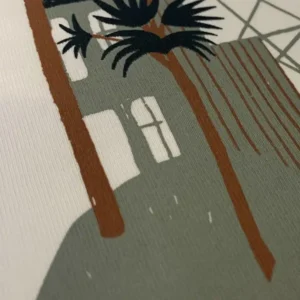
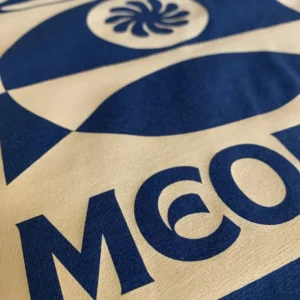
Water based
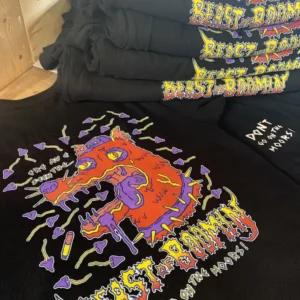
High solid water based
Plastisol
Specialised Screen Printing Techniques
CMYK printing
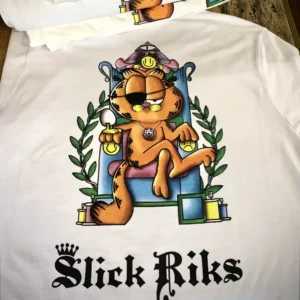
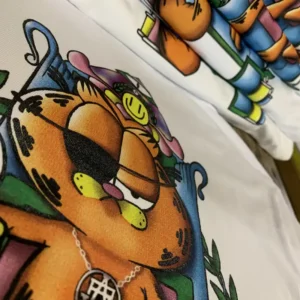
CMYK screen printing is a highly effective technique for reproducing detailed, full-colour designs using just four inks: cyan, magenta, yellow, and key (black).
By separating the artwork into these four colour channels, each layer is converted into a fine halftone pattern and transferred onto individual screens. During printing, the semi-transparent inks overlap, allowing a wide spectrum of colours to be created—such as blue over yellow producing green.
The halftone dots used in this process are extremely small, often barely visible to the naked eye, which helps achieve smooth gradients and intricate detail.
The result is a soft-feel print with vibrant, photo-quality colour reproduction. This method is ideal for photographic images, complex artwork, and designs with multiple colours or subtle tonal transitions.
Note: CMYK process printing is best suited for white garments, as the technique relies on the fabric colour to maintain accuracy and brightness.
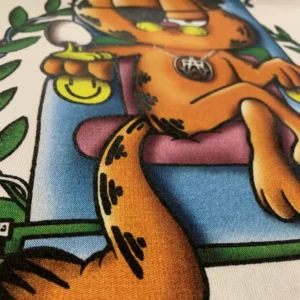
Garment Finishing
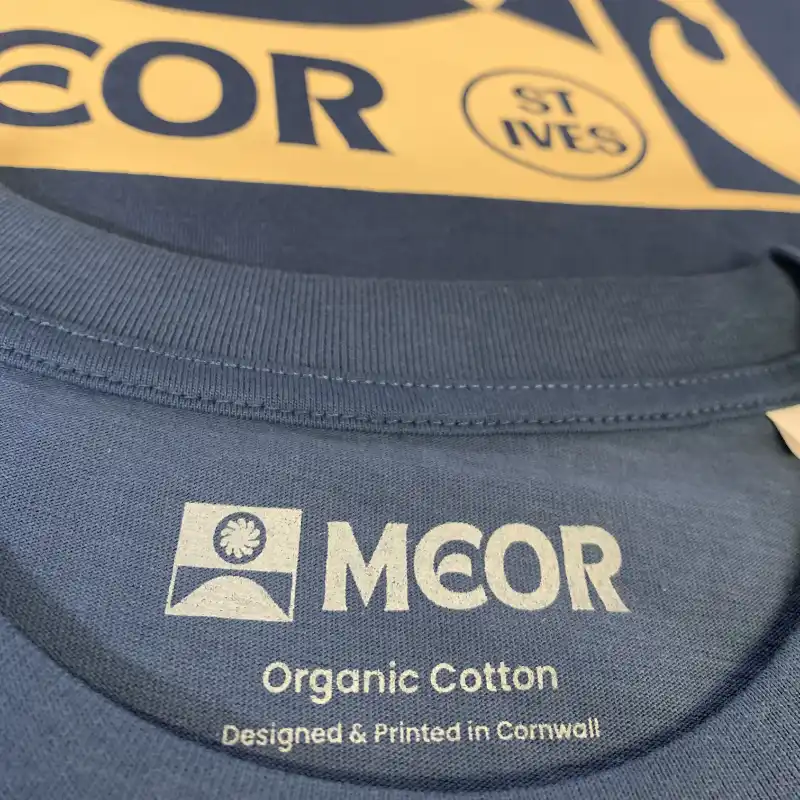
Label Prints
Custom label (nape) printing is a great way to further customise your clothing line. We remove existing stock labels, and replace them with a custom screen-printed design on the inside of the neck. This completely re-brands your garments and is also a good way to add brand information, strap lines and website addresses. We can re-brand t-shirts, sweaters, hoodies, zip hoodies, polo t shirts, vests, and more.
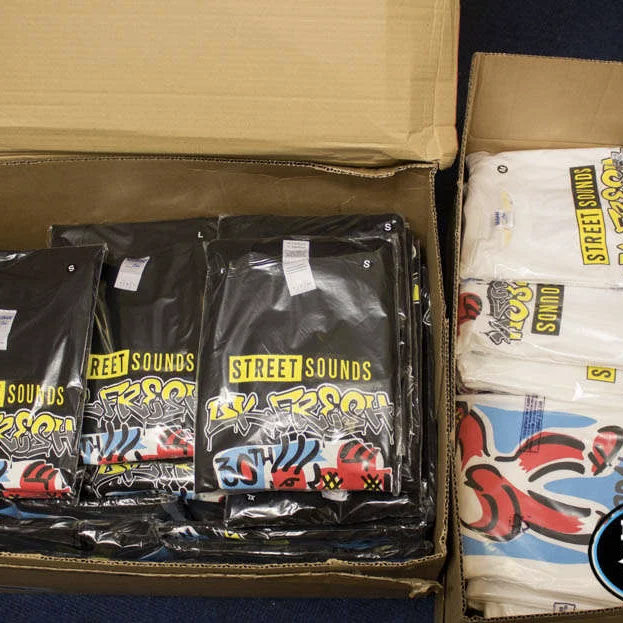
Folding & Bagging
We offer your brand the chance to further personalise your garments with our folding and packaging service at a unit price of 50p. Eco-friendly options are available at a premium.
Each item is folded and placed in an individual, clear, self-seal bag with size sticker placed on the front.
Vibrant
We produce vibrant colours on light or dark garments

Silky Soft
Our screen printing has a soft, silky-smooth finish

Lightweight
No thick, heavy prints. We’re light & wearable

Eco-conscious
Eco-friendly, water-based, phthalate-free inks